Insurance claims adjuster
Inspect damage after storms and accidents and decide what insurance pays.
- Median pay
- $78,020 a year
- Cost to start
- $200 to $500
- Time to start
- 1 to 2 months
Heads up: we earn a commission if you sign up through links marked "Paid link". It costs you nothing extra and never changes what we recommend. How we make money.
Claims adjusters show up after storms, fires and accidents to figure out what insurance should pay. It's a way to help people on a hard day, and you can get licensed in a few weeks.
A day in the job
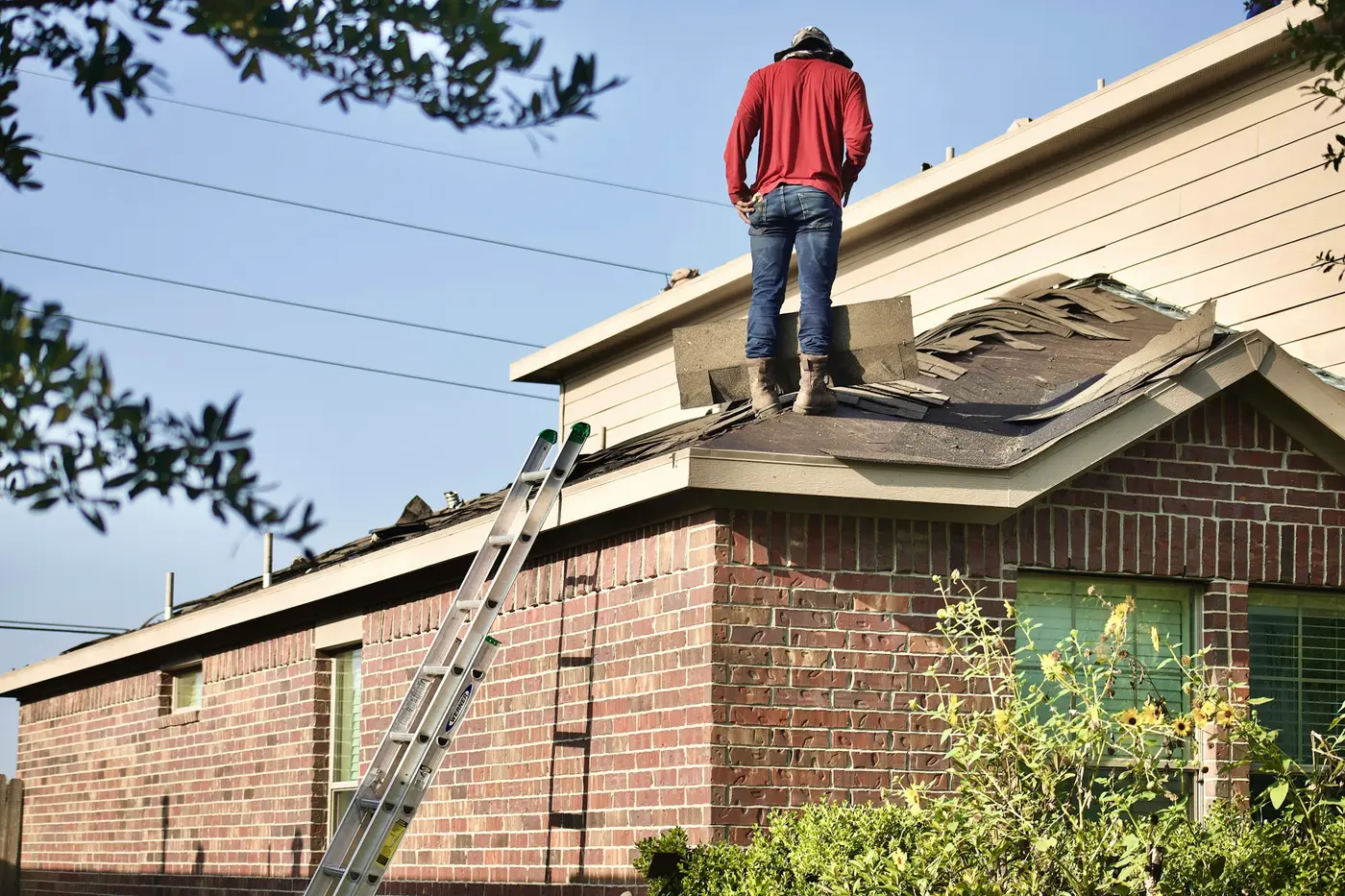
You'll visit homes, cars or businesses that were damaged, take photos and measurements, and talk with the owner about what happened.
Back at your desk or laptop, you write up the estimate using software like Xactimate and explain your decision to the insurance company and the customer.
Some adjusters work for one insurance company with a steady schedule. Others are independent "storm" adjusters who travel to disaster areas for weeks at a time and earn much more during busy seasons.
Is this for you?
Good signs
- You stay calm when other people are upset
- You're detail-minded and like solving puzzles
- You're comfortable climbing a ladder or onto a roof
- You like being out and about, not stuck at one desk
Maybe not, if
- You can't be away from home for days or weeks (for storm work)
- Heights or crawl spaces are a hard no
- You don't like writing reports
What it really pays
$78,020 a year (median)
The lowest-paid 10% earn about $48,850 or less, which is closer to where many beginners start.
Storm adjusters can earn much more in busy seasons and much less in quiet ones.
National median for all workers in this job, including experienced ones. Pay varies by state, employer and experience, and isn't guaranteed. Source: U.S. Bureau of Labor Statistics (opens in a new tab)
Staff adjusters get a regular salary. Independent storm adjusters are paid per claim, so income can be high during hurricane or hail season and slow in between.
Your path, step by step
Tick off each step as you go. We'll remember your progress on this device.
0 of 5 steps done
-
Check your state's rules
About 35 states license adjusters. If yours doesn't, most people get a Florida or Texas "home state" license so they can work anywhere. Pick your state below.
Rules last checked October 2026. Always confirm on your state's official site.
-
Take a licensing course
In Florida and Texas, an approved course can replace the state exam. In other states, a course gets you ready for it.
-
Pass the exam and apply
Book the exam if your state needs one, get fingerprinted, and apply online. Plan on a few hundred dollars for fees.
-
Learn Xactimate
Most companies estimate damage with Xactimate software. Basic training makes you much easier to hire.
-
Apply to staff jobs and storm firms
Apply to insurance companies for steady staff roles, and sign up with independent adjusting firms so they can call you when storms hit.