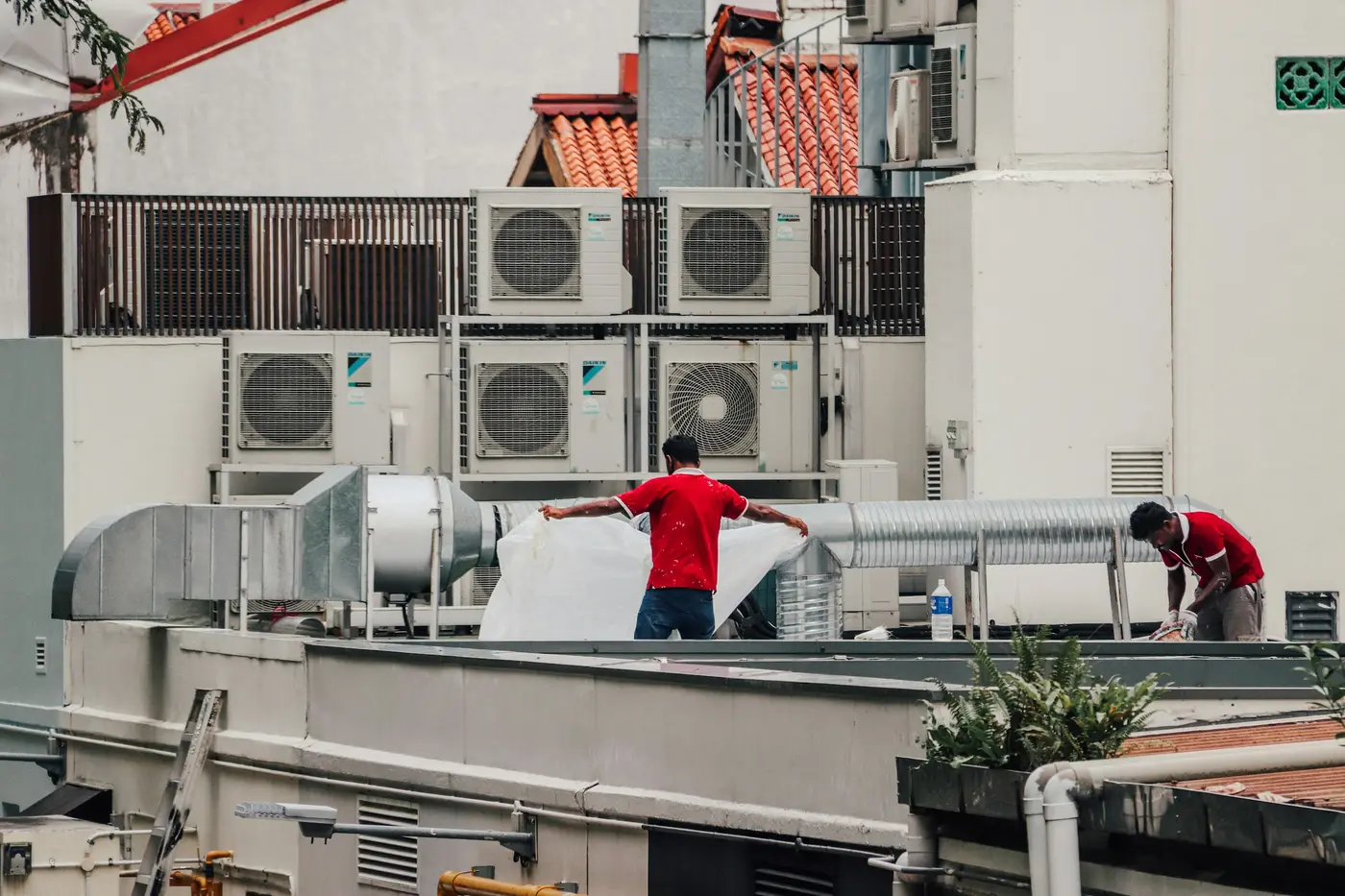
HVAC technician
Install and fix heating and air conditioning in homes and buildings.
- Median pay
- $61,010 a year
- Cost to start
- $0 to $500
- Time to start
- Start as a paid helper in a few weeks
Every home and building needs heating and cooling, and there aren't enough people who can fix it. You can start as a paid helper within weeks and learn on the job.
A day in the job
You'll drive a work van from job to job, installing new systems, doing seasonal tune-ups and fixing units that stopped working.
Expect attics in summer, crawl spaces in winter, and lots of time on your feet. You'll use tools, gauges and wiring diagrams, and talk with homeowners about what you found.
Summer and winter are the busiest seasons, and overtime is common.
Is this for you?
Good signs
- You like figuring out why something isn't working
- You'd rather work with your hands than sit at a desk
- You don't mind heat, cold or getting dirty
- You want to earn while you learn
Maybe not, if
- You want a clean, indoor office job
- Tight spaces or ladders make you uneasy
- You'd rather not drive between jobs all day
What it really pays
$61,010 a year (median)
The lowest-paid 10% earn about $40,050 or less, which is closer to where many beginners start.
National median for all workers in this job, including experienced ones. Pay varies by state, employer and experience, and isn't guaranteed. Source: U.S. Bureau of Labor Statistics (opens in a new tab)
Helpers start lower and get raises as they learn. Experienced technicians who can troubleshoot on their own, or who start their own business, earn the most.
Your path, step by step
Tick off each step as you go. We'll remember your progress on this device.
0 of 4 steps done
-
Get hired as a helper or apprentice
Many HVAC companies hire beginners and train them. Registered apprenticeships pay you while you learn and add classroom training.
-
Get your EPA 608 certification
Federal law requires it to work with refrigerants. It's a short online test, and having it before you apply helps you stand out.
-
Check your state and city rules
Some states license HVAC technicians or contractors, and some require registration. Your employer can tell you what applies where you work.
-
Keep learning on the job
Ask questions and take on new tasks. Each year of experience usually means a raise, and some techs later get a contractor license and start their own business.